


Evaluating some factors affecting the loading process of quercitin and rutin into the niosome by ethanol injection method
- School of Medicine, Vietnam National University Ho Chi Minh City, Ho Chi Minh, Vietnam
- Faculty of Pharmacy, University of Medicine and Pharmacy at Ho Chi Minh City, Ho Chi Minh, Vietnam
Abstract
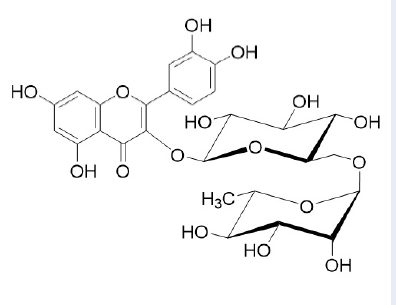
Niosome is a nanoparticle system with high application value and suitable for the current trend of drug delivery system development with many advantages in controllability, stable release, and target orientation. The active compounds rutin and quercetin have diverse pharmacological effects, although there are many challenges in application. This study aims to investigate the factors affecting the loading capacity of the bioactive compounds in the synthesis of niosomes by the ethanol injection method. Based on the investigation of the influence of surfactants as well as rutin and quercetin content to evaluate the ability to form structure and entrapment efficiency of niosomes. The resulting niosome has a round shape and a relatively uniform density, with the formula used, being a mixture of span 60 and tween 60 with a ratio of 6:4. The optimized niosomes using this ratio have a quercetin entrapment efficiency of 60 .8% and rutin reached 20.5% with the content of 20-25 mg of the standards. The combination of two surfactants, span 60 and tween 60, creates a niosomal structure that is both small in size, difficult to agglomerate and has high stability, suitable for providing prolonged action and storage. This formulation shows that quercetin had more than three times higher capture efficiency than rutin.