


The surveys of the methods for reducing the water content of honey
- Ho Chi Minh City University of Technology, VNU-HCM
- Nong lam University
Abstract
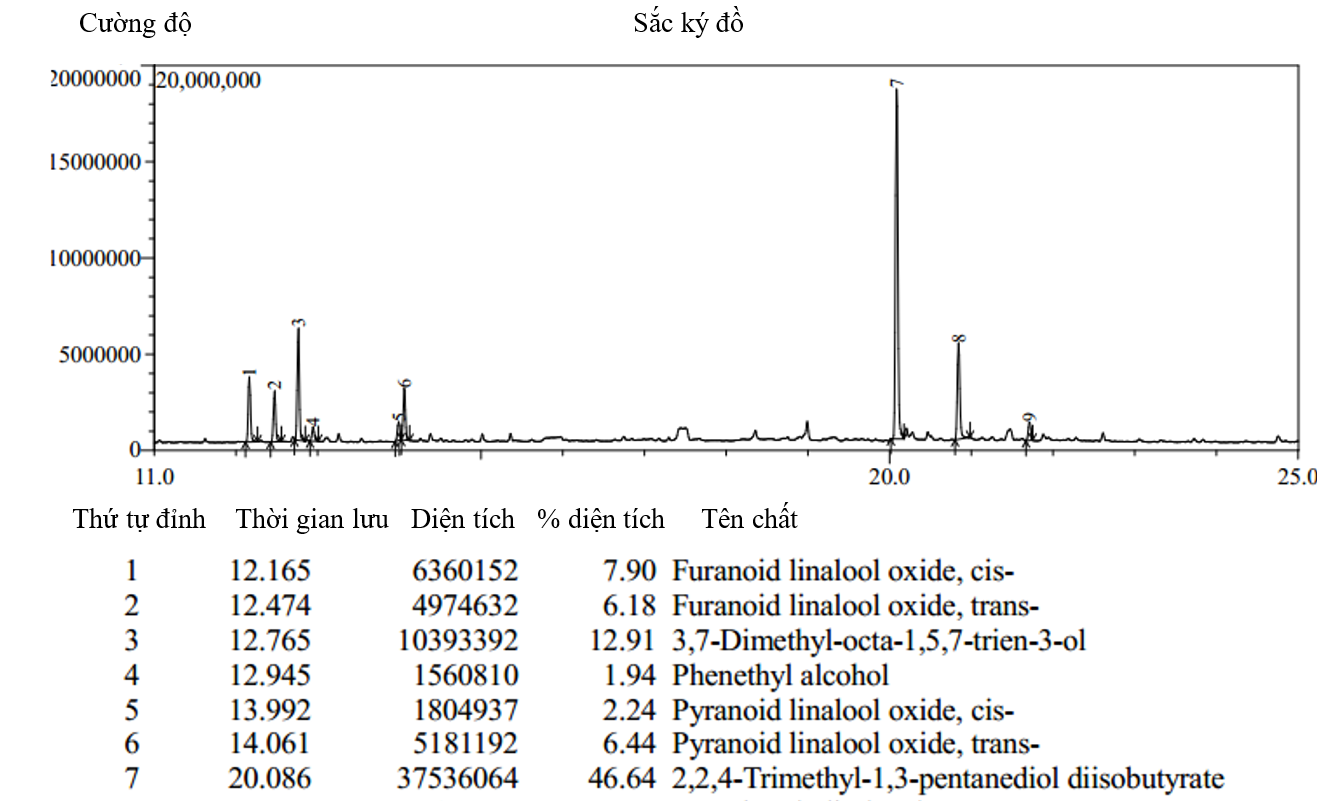
Honey is a nutritious, sweet-tasting drink with the natural fragrance of flowers, so it is favored and widely used in many areas of life. Hard qualitative norms on honey quality are such as color, content of HMF, reducing sugar, microorganisms ... One of the causes of rapid change in bile quality during use is the amount of water in honey. The surveys of the methods for reducing the water content of honey with the results obtained are as follows: Using temperature to reduce water content in honey makes honey color darker. Although silica gel is very effective in reducing water content, it reduces honey amount and changes the original honey scent. In particular, the “hive model” industrial equipment reduces the water content (18.08%) compared to the raw honey (22.01%). Analyzing the sugar components: fructose, glucose, maltose, and saccharose almost unchanged. Nine volatile compounds have been identified in samples of raw honey and honey with low water content, especially aromatic compounds that characterize the fragrance of nectar such as furanoid linalool oxide, cis- and furanoid linalool oxide in honey with low water content are not significantly lower compared to raw honey. During the 2-month follow-up period, honey with low water content had lower sugar content (3%) and HMF increase (9%) compared to the raw honey (11% and 41%). The results show that the method of removing water from honey is a solution to help stabilize the quality of honey preservation.